Products
O2 is the shared enterprise AI platform. Specialist modules connect to it for documents, computer vision, 3D and images, and data and calculations.
O2 is the shared enterprise AI platform. Specialist modules connect to it for documents, computer vision, 3D and images, and data and calculations.
O2 connects knowledge, modules and people. Internal information and controlled internet sources become traceable work products.
Shared AI logic, context, access control and model orchestration live in one product layer — not inside each separate application. Customers can start with one concrete need and later add modules without building a separate AI solution each time.
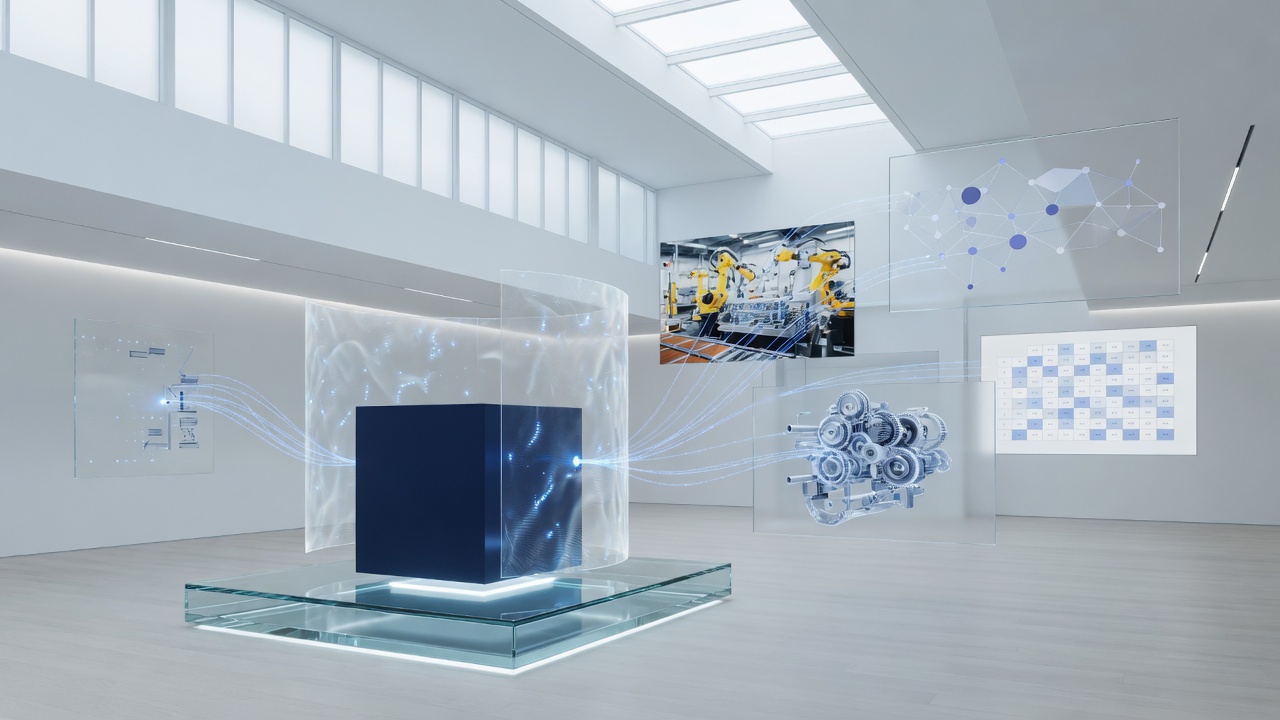
Procedures, previous tenders, project documentation and customer input stay inside the controlled environment.
The product retrieves context, applies permissions, coordinates modules and keeps sources visible.
Documents, computer vision, 3D and images, data and calculations — plus further modules as needed.
Tender drafts, reports, findings, visualisations and management summaries ready for specialist review.
Browser-based calls for teams working in O2 — and for anyone you invite with a meeting link.
Colleagues can discuss a draft, a finding or a visualisation without leaving the workspace. Guests join from the meeting link.
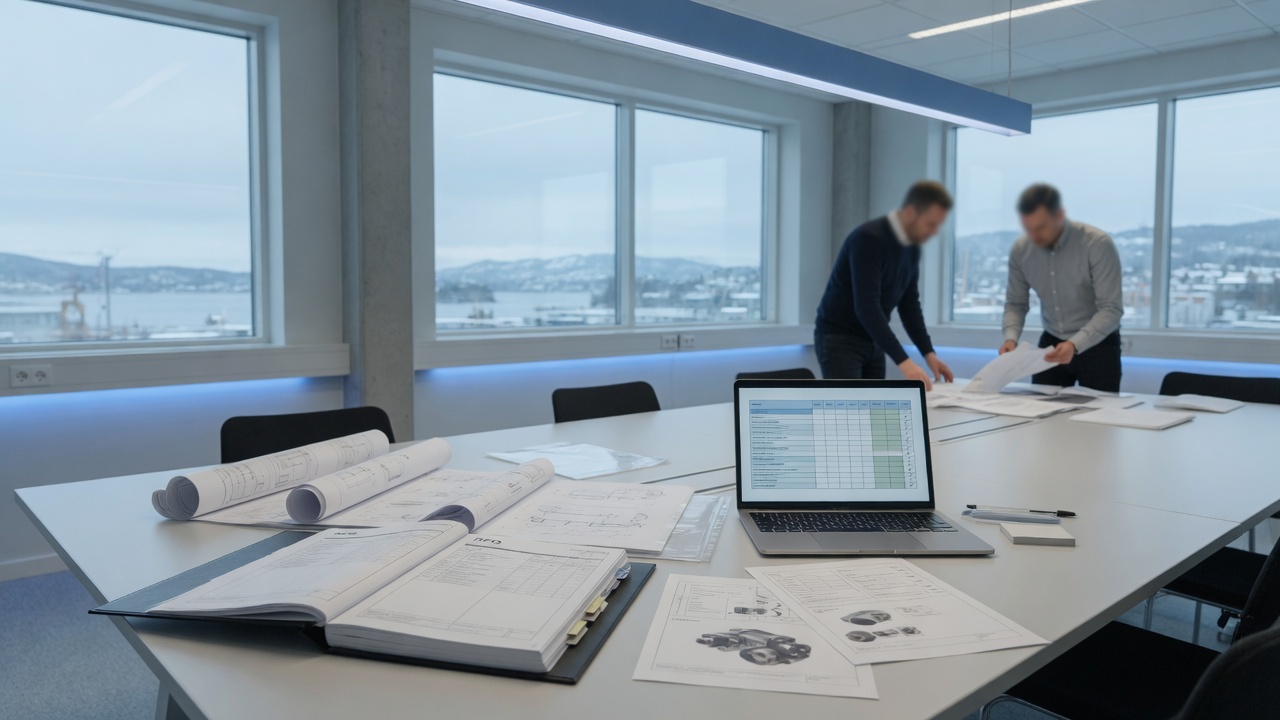
From files to a structured first draft. AI reads, identifies connections and compiles relevant information.
Large document volumes become easier to search and reuse. A customer request can be combined with internal files, previous projects and relevant public sources. A specialist reviews and approves the result.
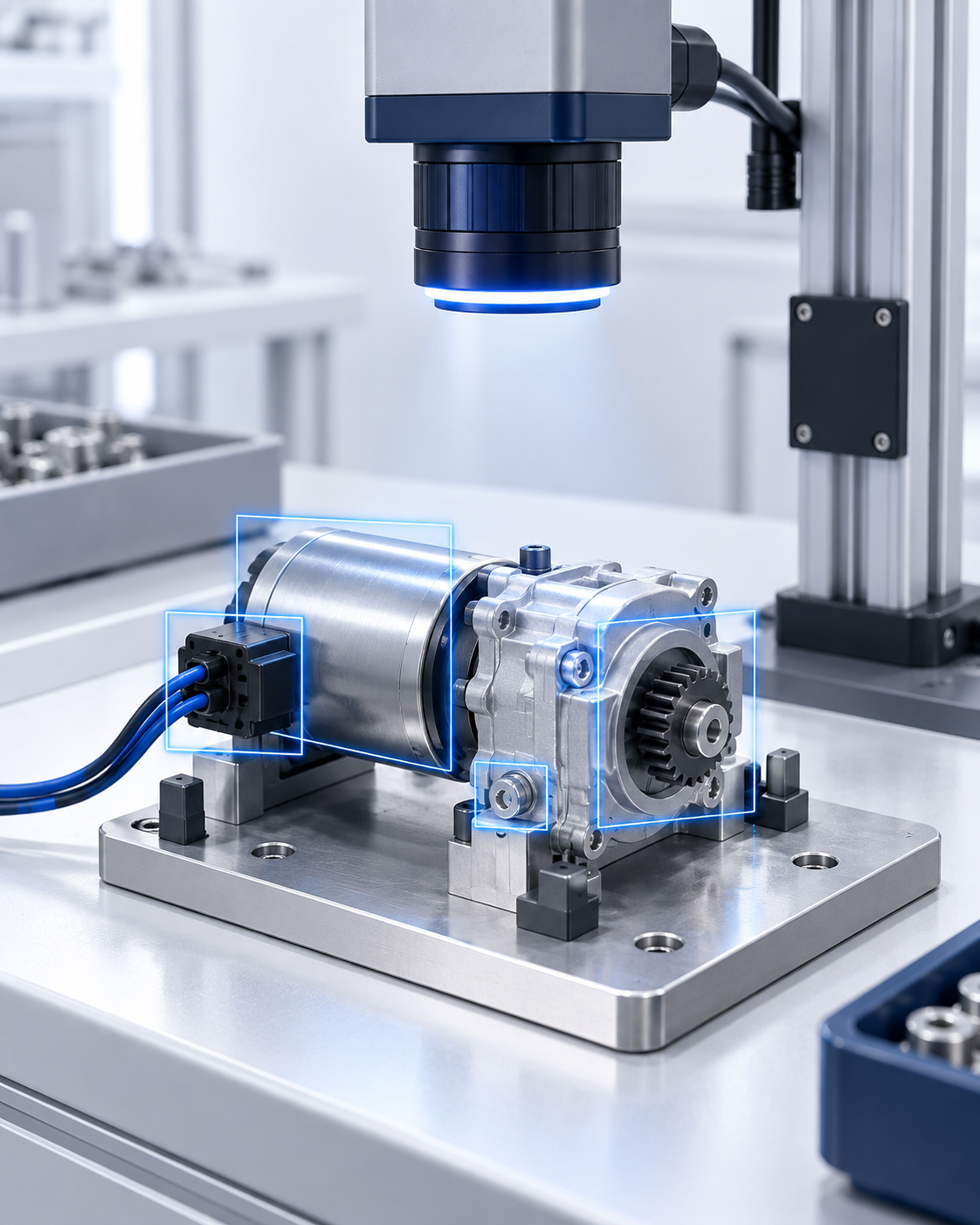
Extract insight from images and video. Detect objects, events and potential deviations.
The module supports focused inspection tasks such as counting, condition recording and identifying possible deviations. Through O2, a finding can be linked to a procedure, documentation or a report draft.
A specific application must be tested on representative images. Lighting, camera angle and data quality affect the result.
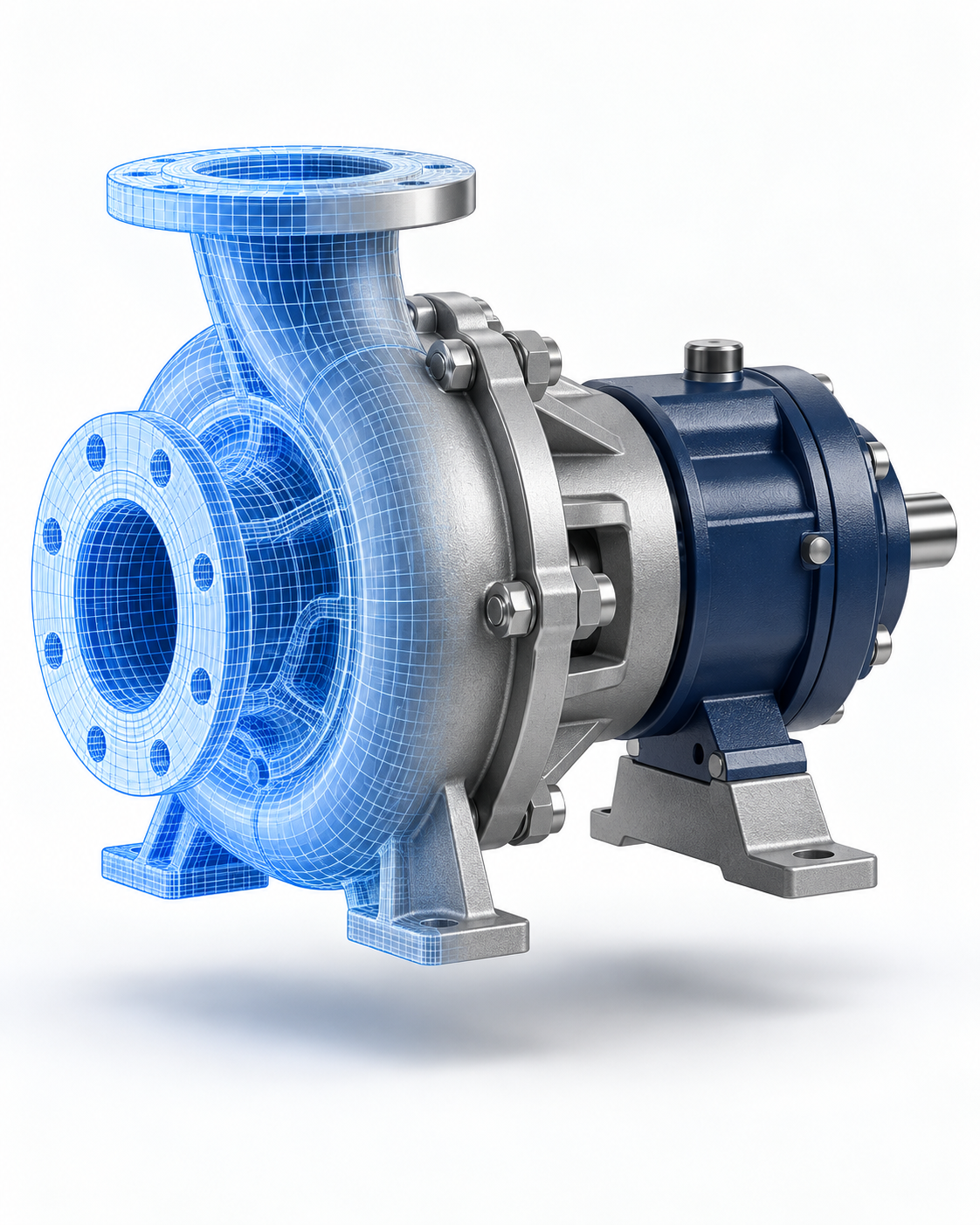
Make products and solutions visible. 3D models become the basis for visualisations and presentation images.
The module makes technical products easier to explain and present. Models can provide multiple views, images and visual instructions. O2 can connect the visualisation to product data and documentation as part of a combined deliverable.
O2 is designed so new modules can connect through reusable interfaces — without rebuilding AI logic, security and data access for every use case.
Analyses, tables and reporting based on existing spreadsheets, calculation models and other company information.
Users can work in the browser and request analyses, generated content, calculations and visual outputs without opening every source system.
The same foundation can later support more technical processes, service instructions and multimodal work — where there is a process owner and measurable value.
Supported file types and quality are clarified in a demonstration or a bounded pilot.